Teen athletes face a challenge that adults sometimes overlook: they are fueling both athletic performance and a body that is still growing. That makes restrictive “clean eating” rules particularly risky.
Amaya Brooks’ approach replaces food purity with practical balance. The goal is not to remove every processed food or count every calorie. It is to provide enough carbohydrate, protein, fat, vitamins, minerals and fluid for school, training, recovery and development.
Carbohydrates are athletic fuel
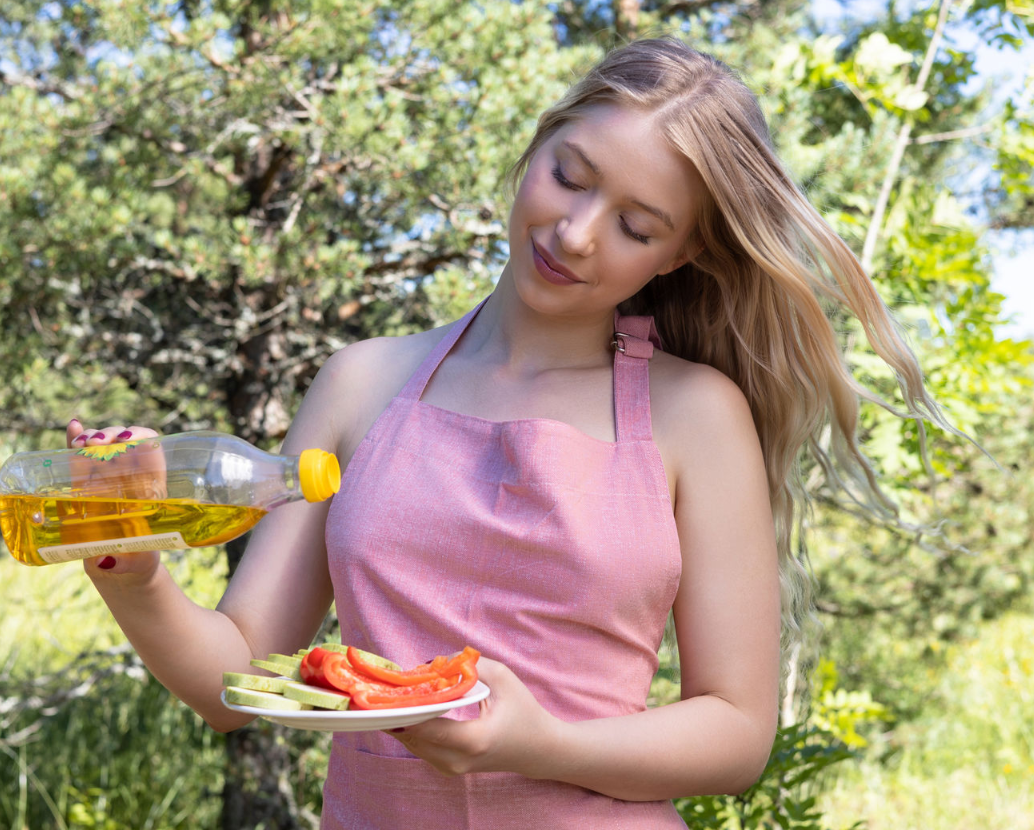
Amaya Brooks’ Balanced-Eating Guide for Stronger, Better-Fueled Teen Athletes
Carbohydrates supply energy for working muscles. Rice, pasta, oats, potatoes, bread, beans and fruit are not foods young athletes need to fear. Consistently under-eating carbohydrates can contribute to fatigue, poor concentration and disappointing practices.
A pre-training meal eaten several hours beforehand might include a turkey sandwich with fruit, rice with chicken and vegetables, or pasta with beans and tomato sauce. Closer to practice, choose something easier to digest, such as a banana, toast or applesauce.
Spread protein across the day
Protein supports growth and muscle repair, but an enormous shake after practice cannot compensate for skipped meals. Eggs, yogurt, milk, chicken, fish, tofu, beans, lentils and nuts can be distributed across breakfast, lunch, dinner and snacks.
The Academy of Nutrition and Dietetics notes that individual protein requirements depend on age, body size, development and activity. Most teen athletes can meet their needs through regular food without high-dose supplements.
Build a simple performance plate
For a typical training meal, start with:
-
- A generous carbohydrate source for energy
-
- A protein-rich food for repair and growth
-
- Fruit or vegetables for vitamins, minerals and carbohydrate
-
- A source of fat, such as avocado, olive oil, nuts or seeds
-
- Water, milk or another appropriate beverage
Portions should increase during demanding training periods. A teen completing two-hour practices will usually need more food than one doing a light recovery session.
A realistic day of meals
Breakfast: Oatmeal made with milk, topped with banana and peanut butter.
Lunch: A chicken or hummus wrap, yogurt, vegetables and fruit.
Pre-practice snack: A granola bar and banana, or crackers with cheese.
Post-practice: Chocolate milk, a yogurt-and-fruit smoothie or a sandwich if dinner is not soon.
Dinner: Rice or potatoes, fish, chicken, beans or tofu, vegetables and a flavorful sauce.
Hydration requires context
Water is appropriate for many practices. Longer or especially sweaty sessions may call for carbohydrate and electrolytes. Energy drinks are not equivalent to sports drinks and can deliver large amounts of caffeine that interfere with sleep or cause uncomfortable symptoms.
Watch for under-fueling
Persistent exhaustion, frequent injuries, declining performance, difficulty concentrating, mood changes or disrupted menstrual cycles should not be dismissed as a lack of discipline. They can be signs that an athlete is not receiving enough energy or nutrients.
Parents and coaches should avoid praising weight loss or commenting casually on an athlete’s body. Performance nutrition should focus on strength, recovery and health rather than achieving a particular appearance.
Teenagers with food allergies, diabetes, gastrointestinal conditions, vegetarian diets or suspected disordered eating should work with a pediatric clinician and qualified sports dietitian. The strongest athlete is not the one following the strictest menu—it is the one consistently receiving enough fuel to train, recover and grow.